Advocacy
When the Coach Becomes the Threat: A Conversation About Safeguarding in African Sport
By Star Mpama ·
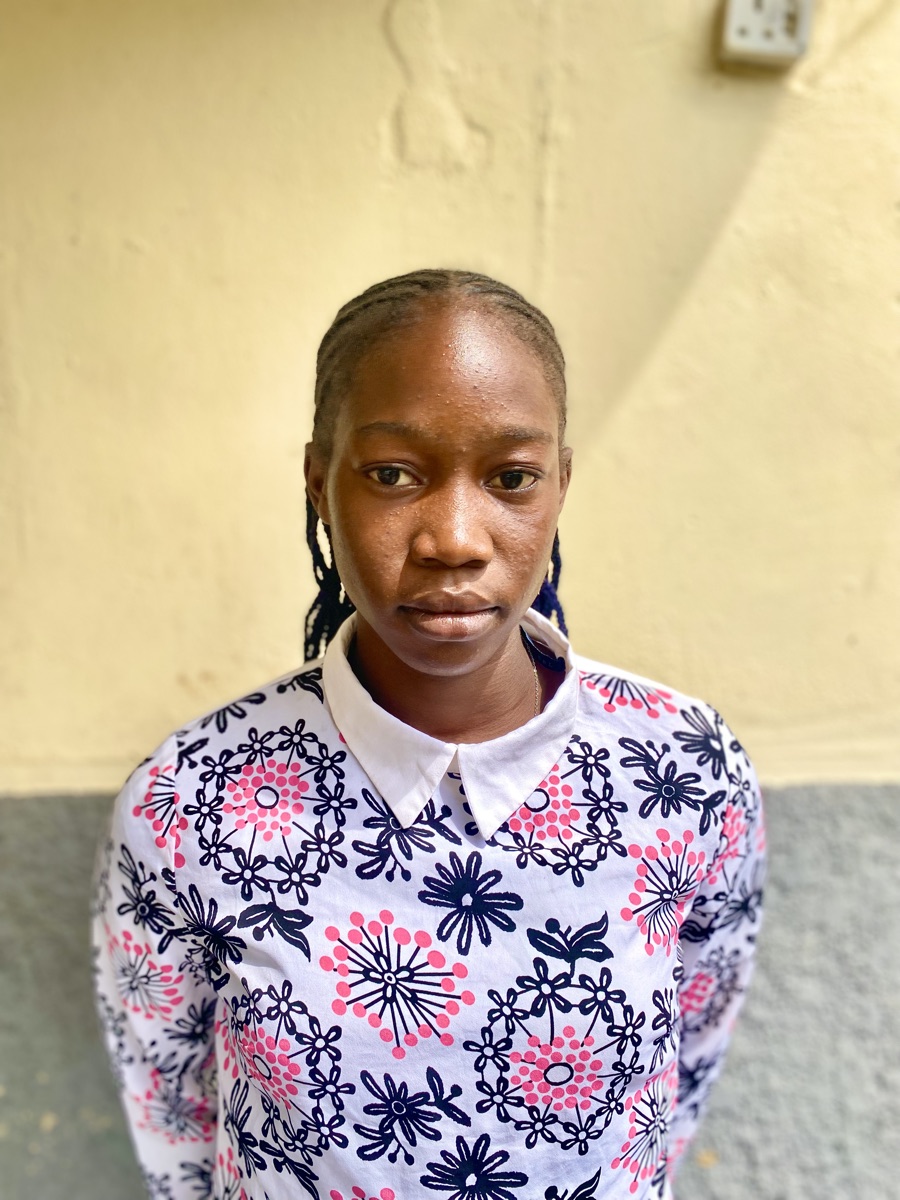
An athlete shares her account of abuse by a coach, and why athlete development in Africa must include athlete protection.
Author's note
This advocacy story is based on a recorded conversation with an athlete who consented to having her experience discussed publicly while requesting anonymity. Additional accounts referenced in the article were shared privately and have not been independently verified. Allegations are presented as allegations, not findings of fact.
An athlete should be able to walk onto a track and think about running.
She should be thinking about improving her time, making a team, qualifying for a competition, earning a scholarship, or simply becoming the athlete she once dreamed of being.
She should not have to wonder whether the person responsible for developing her talent will take advantage of the trust she has placed in him.
But for one young Nigerian athlete, that trust became complicated by an experience she says continued throughout her years in athletics.
She has agreed to tell her story publicly, but has asked that her identity remain private.
Her account is not presented here as a judicial finding. It is her testimony about what she says she experienced, and it raises questions that extend far beyond one athlete, one coach or one training ground.
She entered athletics believing she had found a path
According to the athlete, she began working with a coach shortly after leaving high school. She knew very little about track and field. What she did know was that she wanted to run.
Her mother supported her decision to pursue athletics, particularly because it was an opportunity she had wanted herself when she was younger but had never had.
Training became part of her life. She travelled from home to practice and trusted the coach to guide her.
At first, the environment did not appear unusual to her. Other young athletes trained around her. Over time, however, those athletes stopped training with the coach, leaving her increasingly isolated. She did not initially interpret their departures as a warning sign. She assumed that people had simply moved on.
Then COVID-19 disrupted training. Her father asked her to stop attending practice because of the pandemic. Eventually, another training group that used the same facility approached her father and asked him to allow her to resume training. He agreed.
According to her account, tensions later developed between her coach and another coach who was training athletes at the same facility. She says her coach became increasingly controlling about where and with whom his athletes trained. She recalls being instructed not to participate in training without his permission when he was absent.
She also describes situations in which athletes were expected to wait for him despite having been given an earlier training time. For an athlete who was desperate to improve, she says she remained focused on one thing: running faster.
Then the relationship changed
According to her account, the coach gradually became more than simply the person responsible for her training. He sometimes helped with transportation and other expenses. He also began providing supplements.
She says he would sometimes ask her to come to his home and would tell her that nobody should know.
She describes being given a supplement before becoming unusually drowsy and says that on one occasion she became unable to defend herself while he initiated sexual activity. She says sexual encounters continued afterward.
When she questioned the relationship, she says the coach suggested that they were dating. She did not believe they were.
The cost of speaking
One of the most striking parts of her account is not simply what she says happened. It is the uncertainty surrounding what she believed would happen if she spoke.
She feared telling her mother because her mother had supported her dream of becoming an athlete. She wondered how her mother would feel knowing that the coach she trusted had allegedly crossed boundaries with her daughter.
She also did not know whom she could trust within the sporting environment.
Meanwhile, her athletic career was not progressing as she had hoped. She says she trained for years but did not compete outside Ondo State and that the major competition she attended was a state trial.
She recalls repeatedly being told that she was not ready. The contradiction was difficult to understand: she was being trained, receiving supplements and investing years of her life into athletics, yet she says meaningful competitive opportunities remained limited.
Eventually, other athletes left the coach's programme.
Her story was not the only account
After the podcast conversation was published, other athletes contacted me privately. Some described experiences they said were similar. Some said they were afraid to speak publicly because they did not believe anything would change.
One woman described an alleged attempt by the same coach to pursue a sexual relationship with her. According to her account, when she refused, the coach later complained to her father about her behaviour. She subsequently told her father what she says had actually happened and stopped attending training at that location.
Another athlete reportedly described a sexual assault involving the coach.
These additional accounts have not been independently investigated by me, and they should not be presented as established facts.
This is bigger than one coach
The purpose of telling this story is not to convict someone through an article. It is to examine the environment in which athletes are expected to develop.
A coach occupies a position of authority. For a young or inexperienced athlete, that authority can extend far beyond training. A coach may control access to competitions, training opportunities, equipment, transportation, recommendations, selection and sometimes even an athlete's pathway to a future career.
That power imbalance matters.
The International Olympic Committee's consensus statement on harassment and abuse in sport recognizes that abuse can occur within relationships characterized by differences in power and authority. It also identifies sexual abuse as conduct of a sexual nature where consent is coerced, manipulated, or cannot be given.
The IOC has also identified coaches and other members of the athlete entourage as people who can occupy positions of authority in which abuse may occur, and notes that athletes have reported abuse in environments including training facilities, trips and coaches' homes.
These are not theoretical concerns. They are safeguarding concerns.
Africa cannot talk about athlete development without talking about athlete protection
Across Africa, sport is increasingly being recognized as a tool for youth development, education, gender equality and social development.
But development cannot simply mean producing faster runners, stronger teams or more medals. It must also mean creating environments in which young people can develop without fear of exploitation or abuse.
UNESCO's work on sport and gender equality includes protecting girls and women from harassment, misconduct and abuse. UNESCO has also called for survivor-centred policies, credible and confidential reporting mechanisms, capacity-building, and stronger safeguarding implementation in sport.
The African Union Sports Council has established a Safeguarding in Sport Working Group focused on mainstreaming safeguarding principles across Africa, including education and training, reporting and response mechanisms, policy frameworks, and greater research into the lack of accessible empirical data on harassment, abuse and exploitation in African sport.
The conversation is therefore already happening. The question is whether it is reaching the athlete at the training ground.
Nigeria has taken an important step. Now implementation matters.
In June 2026, the Nigeria Olympic Committee launched the Nigeria Safeguarding in Sports Policy.
The framework is intended to establish standards, reporting mechanisms and accountability structures addressing abuse, harassment, exploitation and other misconduct across Nigerian sport. The NOC also called on national sports federations to domesticate the policy and appoint safeguarding officers.
That development matters.
The athlete should not have to choose between safety and her dream
For many athletes, especially young athletes entering sport without extensive knowledge of the system, a coach is not simply a coach.
He may be the person who introduces them to the sport. The person who tells them where to train. The person who decides whether they are ready. The person who connects them to competitions. The person who recommends them. The person they believe holds the key to their future.
That is precisely why safeguarding cannot depend solely on an athlete's ability to recognize abuse and walk away.
The responsibility has to exist within the system.
Athletes need accessible reporting pathways. Coaches need safeguarding education. Organizations need clear standards of conduct. People working with young athletes need appropriate screening and oversight. Complaints need procedures that protect confidentiality and prevent retaliation.
And athletes need to know that asking for help will not automatically cost them their place in sport.
The IOC's safeguarding guidance emphasizes organizational policies, procedures and clearly defined responsibilities. It also recommends involving athletes in the development of safeguarding policies.
That last point is particularly important.
We need to ask better questions
When an athlete leaves a training group, do we ask why?
When a young athlete suddenly disappears from sport, do we ask what happened?
When an athlete says a coach makes her uncomfortable, is there somewhere independent she can speak?
When a coach repeatedly seeks private access to young athletes, are there safeguards?
When an athlete receives supplements or medication from someone in a position of authority, does she know what she is taking and why?
When an allegation is made, who is responsible for receiving it?
Safeguarding should not begin after harm has occurred.
Sport must be a place where dreams can grow safely
The athlete whose story opened this article wanted to run. That should not be forgotten.
Behind every athlete is a young person with a family, ambitions, fears and a future that extends beyond sport.
We cannot ask young Africans to trust sport with their dreams while failing to build systems worthy of that trust.
This story is not a verdict. It is a question.
A question for coaches. A question for federations. A question for sports administrators. A question for parents. A question for athletes.
Because athlete development is not complete when an athlete becomes faster. It is complete when the athlete can pursue that potential in an environment where her dignity, safety and voice are protected.
References and resources
1. Nigeria Olympic Committee: Nigeria Safeguarding in Sports Policy (June 2026 reporting on the policy launch).
2. International Olympic Committee: Consensus Statement on Harassment and Abuse (Non-Accidental Violence) in Sport.
3. UNESCO: Towards a Safer Playing Field: Tackling Violence Against Women and Girls in Sport.
4. African Union Sports Council: Safeguarding in Sport Working Group (2024).
5. African Union Sports Council: About AUSC.
Source note
This article combines a first-person account shared in a recorded podcast conversation with publicly available safeguarding resources. The survivor's account is attributed to her and is not presented as an independently established finding. Additional accounts shared privately were not independently verified and are included only as context for the advocacy question. Public sources are used to establish the broader safeguarding context, not to validate the specific allegations described by the interviewee.
Star Mpama is an athlete, sports development professional, athlete manager and the founder of Paragon Sports Development Foundation.